
Losing belly fat begins with understanding that spot reduction isn't effective—targeting fat loss solely from the abdomen isn't possible. Instead, a holistic approach that promotes overall fat loss is essential. This involves creating a calorie deficit through a combination of dietary changes and increased physical activity. Prioritizing whole, unprocessed foods such as vegetables, lean proteins, whole grains, and healthy fats can help regulate insulin levels and reduce visceral fat accumulation. Reducing intake of added sugars and refined carbohydrates is particularly important, as these are strongly linked to increased abdominal fat. For more information on nutrition and metabolic health, visit Healthline's guide on reducing belly fat.
Regular exercise plays a crucial role in shedding abdominal fat, with both aerobic and resistance training showing significant benefits. Studies suggest that moderate to high-intensity cardio, such as brisk walking, running, or cycling, can effectively reduce visceral fat over time. Additionally, strength training helps build lean muscle mass, which boosts resting metabolic rate and enhances fat burning. Incorporating core-strengthening exercises like planks and bird-dogs can improve posture and tone abdominal muscles, though they won't directly burn belly fat. The CDC's physical activity guidelines for adults recommend at least 150 minutes of moderate-intensity aerobic activity per week combined with muscle-strengthening activities on two or more days.
Lifestyle factors such as sleep quality, stress management, and hydration also significantly influence belly fat levels. Chronic stress leads to elevated cortisol levels, which can promote fat storage in the abdominal area. Practicing mindfulness, meditation, or deep-breathing exercises may help regulate stress responses. Similarly, getting 7–9 hours of quality sleep per night supports hormonal balance related to hunger and metabolism. Staying well-hydrated aids digestion and can reduce bloating, contributing to a flatter appearance. For evidence-based insights on sleep and metabolism, refer to resources from Sleep Foundation.
Tracking progress with visual guides and measurements can enhance motivation and accountability. Instead of relying solely on the scale, consider using waist circumference measurements or progress photos, as these better reflect changes in body composition. Wearing consistent clothing to assess fit over time can also provide practical feedback. Remember, sustainable fat loss typically occurs at a rate of 1–2 pounds per week. Rapid weight loss methods often lead to muscle loss and rebound gain. For reliable information on healthy weight loss, visit Mayo Clinic’s weight loss guide.
1. Focus on a Nutrient-Dense, Low-Processed Diet
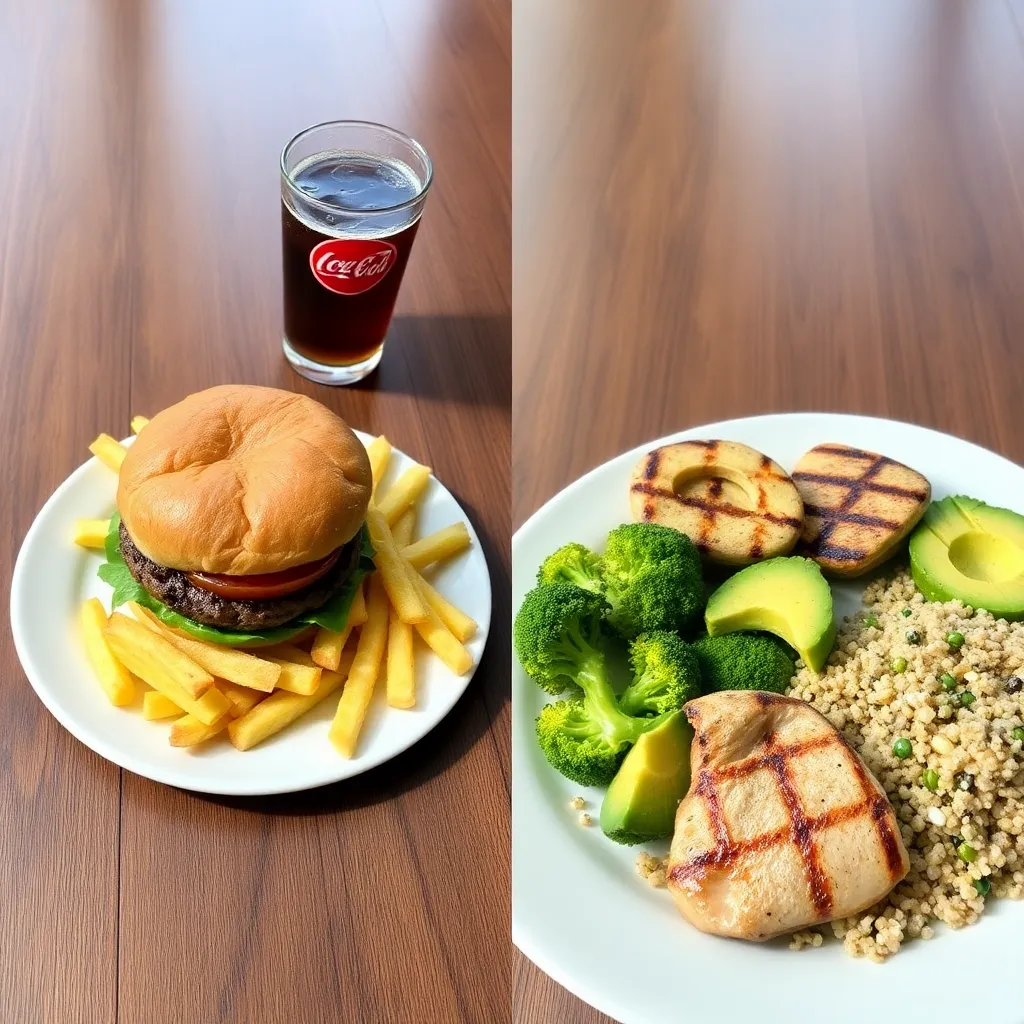
What you eat has a significant impact on your ability to lose belly fat, particularly the dangerous visceral fat that surrounds internal organs. Focusing on whole, unprocessed foods such as vegetables, fruits, lean proteins like chicken and fish, whole grains, and healthy fats from sources like avocados and nuts can create a nutritional foundation that supports fat loss. These foods are typically lower in calories but high in essential nutrients, helping to fuel your body without contributing to fat accumulation. According to the Harvard T.H. Chan School of Public Health, diets rich in these whole foods are linked to lower body weight and reduced abdominal fat over time.
On the other hand, it's important to avoid foods that promote belly fat storage. Sugary beverages like soda and energy drinks, refined carbohydrates such as white bread and pastries, and trans fats found in many processed snacks are strongly associated with increased visceral fat. These foods can spike blood sugar levels and lead to insulin resistance, a key driver of fat storage in the abdominal area. The Mayo Clinic highlights that reducing intake of these items is one of the most effective dietary changes for reducing waist circumference.
Incorporating high-fiber foods is another powerful strategy for targeting belly fat. Foods like oats, beans, lentils, broccoli, and spinach not only promote satiety but also support healthy digestion and stable blood sugar levels. Fiber slows the absorption of nutrients, helping you feel full longer and reducing overall calorie intake. Research published by NIH suggests that increasing soluble fiber intake can lead to a significant reduction in abdominal fat over time.
2. Incorporate High-Intensity Interval Training (HIIT)
High-Intensity Interval Training (HIIT) has gained widespread recognition for its ability to burn fat more effectively than traditional steady-state cardio. By alternating short bursts of intense effort with brief recovery periods, HIIT maximizes calorie burn in a fraction of the time. Research shows that this type of training elevates your metabolic rate during and after exercise, a phenomenon known as excess post-exercise oxygen consumption (EPOC), which keeps your body burning calories even after the workout ends. This makes HIIT a powerful tool for those looking to lose fat efficiently. According to the Harvard T.H. Chan School of Public Health, HIIT can produce similar or greater health benefits compared to longer, moderate-intensity workouts.
A typical HIIT session can last anywhere from 20 to 30 minutes, making it ideal for individuals with busy schedules. Performing these workouts 3–4 times per week can lead to significant improvements in cardiovascular fitness, insulin sensitivity, and body composition. Exercises such as burpees, jump squats, and mountain climbers are commonly used because they engage multiple muscle groups and rapidly increase heart rate. These compound movements not only enhance fat loss but also build strength and endurance over time.
One of the key advantages of HIIT is its adaptability—workouts can be modified to suit various fitness levels and require little to no equipment. Whether performed at home, in a gym, or outdoors, HIIT offers flexibility and variety that help maintain motivation. The American Council on Exercise (ACE) highlights that consistent HIIT training can lead to improved aerobic and anaerobic fitness, making it a well-rounded approach to physical conditioning. For more guidance on safe and effective HIIT routines, visit ACE Fitness.
3. Strength Training to Build Lean Muscle
Building muscle through consistent strength training is one of the most effective ways to boost your resting metabolic rate (RMR), allowing your body to burn more calories even when you're not active. Muscle tissue is metabolically active, meaning it requires more energy to maintain compared to fat, which contributes to a higher daily calorie expenditure. This metabolic advantage can support long-term weight management and improve overall body composition over time. For more information on how metabolism works, visit Healthline's guide to boosting metabolism.
Incorporating full-body strength workouts at least twice a week can lead to significant gains in muscle mass and functional strength. Compound movements such as squats, deadlifts, and push-ups engage multiple muscle groups simultaneously, maximizing efficiency and promoting hormonal responses that favor muscle growth. These exercises not only build strength but also enhance joint stability and daily mobility. The Mayo Clinic emphasizes the importance of strength training for overall health and recommends including it as part of a balanced fitness routine.
Core-specific exercises like planks and leg raises are essential for developing a strong midsection, which contributes to better posture, reduced lower back pain, and improved performance in other physical activities. A stable core acts as a foundation for nearly all movement patterns, from lifting groceries to running or playing sports. Strengthening these muscles helps protect the spine and maintain alignment throughout the day. Learn more about core training benefits from research published by the National Institutes of Health.

4. Prioritize Sleep and Stress Management
Chronic sleep deprivation and ongoing stress can significantly disrupt hormonal balance in the body, particularly by increasing cortisol levels. Elevated cortisol is associated with greater abdominal fat accumulation, as the hormone influences metabolism and promotes fat storage around the midsection. According to the Mayo Clinic, consistently high cortisol due to poor sleep or stress may lead to weight gain and other metabolic issues over time.
Prioritizing quality sleep—ideally 7 to 9 hours per night—can help regulate cortisol and support overall metabolic health. Establishing a consistent bedtime routine, limiting screen exposure before bed, and creating a restful sleep environment are effective strategies. The National Sleep Foundation emphasizes that good sleep hygiene plays a crucial role in both physical and mental well-being.
In addition to proper sleep, incorporating daily stress-reduction practices can further lower cortisol levels. Techniques such as meditation, deep breathing exercises, and gentle yoga have been shown to activate the parasympathetic nervous system, promoting relaxation. Research published by Harvard Health suggests that even short mindfulness sessions, as brief as 10 minutes a day, can yield measurable improvements in stress resilience and emotional regulation over time.
Conclusion: Sustainable Habits Over Quick Fixes
While the idea of spot reduction—losing fat from a specific area through targeted exercises—remains a myth, achieving a leaner midsection is absolutely attainable with a holistic approach. The key lies in creating a calorie deficit through a combination of balanced nutrition and regular physical activity. Focus on whole, nutrient-dense foods like vegetables, lean proteins, whole grains, and healthy fats to fuel your body and support metabolic health. For guidance on balanced eating patterns, the Harvard T.H. Chan School of Public Health offers evidence-based dietary recommendations that promote sustainable weight management.
Effective workouts that incorporate both cardiovascular exercise and strength training are essential for boosting fat loss and building lean muscle. High-intensity interval training (HIIT) has been shown to be particularly effective for reducing abdominal fat due to its ability to increase post-exercise calorie burn. Pairing this with core-strengthening exercises not only supports posture and stability but also enhances the appearance of a toned abdomen over time. Consistency matters more than intensity—small, daily efforts compound into significant results.
Lifestyle factors such as sleep quality, stress management, and hydration also play a crucial role in reducing belly fat. Chronic stress elevates cortisol levels, which can contribute to fat accumulation around the abdomen. Prioritizing 7–9 hours of quality sleep per night and incorporating mindfulness practices like meditation or deep breathing may help regulate hormones involved in appetite and fat storage. For science-backed insights on sleep and metabolism, visit Sleep Foundation.
Tracking progress through methods like waist measurements or progress photos can be more insightful than relying solely on the scale, as muscle gain and fat loss don’t always reflect immediately in weight changes. Remember, sustainable fat loss is a gradual process that prioritizes long-term wellness over quick fixes. With patience, consistency, and a focus on healthy habits, achieving a flatter, healthier abdomen is a realistic and rewarding goal.

Comments
Post a Comment